Everything You Need to Know Before Traveling to Morocco
Home > Blog > Everything You Need to Know Before Traveling to Morocco
Traveling to Morocco for the First Time?
Read This Before You Go.
Planning your trip to Morocco? You’re about to discover one of the most fascinating destinations in the world—vibrant souks, desert landscapes, historic cities, and unforgettable cultural experiences. But Morocco can also feel overwhelming if you don’t know what to expect.
This guide will walk you through everything you need to know before traveling to Morocco, so you can avoid common mistakes and enjoy your trip stress-free.
Table of Contents
1. Best Time to Visit Morocco
The best time to visit Morocco is during spring (March to May) and autumn (September to November), when the weather is pleasant and ideal for exploring the country’s diverse landscapes. During these seasons, travelers can comfortably visit imperial cities like Marrakech and Fes, hike in the Atlas Mountains, and enjoy Sahara Desert tours without extreme temperatures. Summer in Morocco can be very hot, especially in inland cities and desert regions, although coastal destinations such as Essaouira and Agadir remain cooler and enjoyable. Winter is also a great time to visit Morocco for travelers who prefer fewer crowds and mild daytime temperatures, particularly in the south and desert areas, though nights in the Sahara can become very cold. Choosing the right season depends on the type of experience you want, but spring and autumn are generally considered the best times for discovering Morocco’s culture, landscapes, and outdoor adventures.
2. Is Morocco Safe?
Morocco is considered one of the safest travel destinations in North Africa and welcomes millions of tourists every year. Popular cities such as Marrakech, Fes, Casablanca, and Chefchaouen are generally safe for visitors, including solo travelers and families. Like any tourist destination, travelers should stay aware of their surroundings, avoid carrying large amounts of cash, and be cautious of pickpocketing in crowded markets and busy medinas. Hiring trusted local guides and booking tours with reputable Morocco travel agencies can help visitors feel more comfortable and avoid common tourist scams. Moroccan people are known for their hospitality and friendliness, and most travelers enjoy a safe and memorable experience while exploring the country’s culture, deserts, mountains, and historic cities. By using common travel precautions and respecting local customs, visitors can confidently enjoy everything Morocco has to offer.
3. Do You Need a Visa for Morocco?
Morocco welcomes travelers from many countries without requiring a visa for short stays. Citizens of the United States, Canada, the United Kingdom, Australia, and most European countries can visit Morocco visa-free for up to 90 days with a valid passport. However, visa requirements may vary depending on your nationality, so it’s always important to check with the Moroccan embassy or consulate before traveling. Make sure your passport is valid for at least six months from your arrival date and keep copies of your travel documents during your trip. Whether you’re planning to explore Marrakech, ride camels in the Sahara Desert, or discover Morocco’s imperial cities, preparing your travel documents in advance will help ensure a smooth and stress-free journey.
4. Want a Stress-Free Experience?
If you want a stress-free and unforgettable trip to Morocco, choosing a trusted local tour company can make all the difference. Planning transportation, navigating busy medinas, booking desert camps, and organizing activities can sometimes feel overwhelming, especially for first-time visitors. A professional Morocco tour agency helps you enjoy the experience without worrying about logistics, language barriers, or tourist scams. From private airport transfers and guided city tours to Sahara Desert adventures and authentic cultural experiences, local experts can create a smooth and personalized journey tailored to your interests. Traveling with experienced guides also allows you to discover hidden gems, learn about Moroccan culture, and make the most of your time in Morocco while relaxing and enjoying the adventure.
5. Start Planning Your Trip
Start planning your dream trip with Morocco Nomadic Tours and discover the magic of Morocco through authentic experiences, expert local guides, and unforgettable adventures. Whether you want to explore the colorful souks of Marrakech, ride camels across the Sahara Desert, visit ancient imperial cities, or relax in the Atlas Mountains, Morocco Nomadic Tours can create a personalized itinerary tailored to your travel style and interests. From private desert tours and cultural excursions to comfortable accommodations and reliable transportation, every detail is carefully organized to ensure a smooth and memorable journey. Let Morocco Nomadic Tours help you experience the beauty, culture, and hospitality of Morocco with confidence and peace of mind. Contact us.
Or explore our most popular tours:
6. How to Get Around Morocco
Getting around Morocco is relatively easy thanks to the country’s wide range of transportation options for travelers. Morocco offers modern trains connecting major cities such as Marrakech, Casablanca, Rabat, Tangier, and Fes, making train travel comfortable, affordable, and convenient. For reaching smaller towns, desert regions, and rural villages, buses and private transfers are popular choices. Many visitors also choose guided Morocco tours to explore the Sahara Desert, Atlas Mountains, and imperial cities without the stress of planning transportation. In busy cities, taxis are widely available, but it’s recommended to agree on the fare before starting your trip or ask the driver to use the meter. Renting a car is another great option for travelers who want flexibility and the freedom to discover Morocco’s scenic landscapes and hidden gems at their own pace.
Best option: private driver (stress-free + flexible), Especially recommended if you plan to visit the desert.
7. Cultural Tips You Should Know
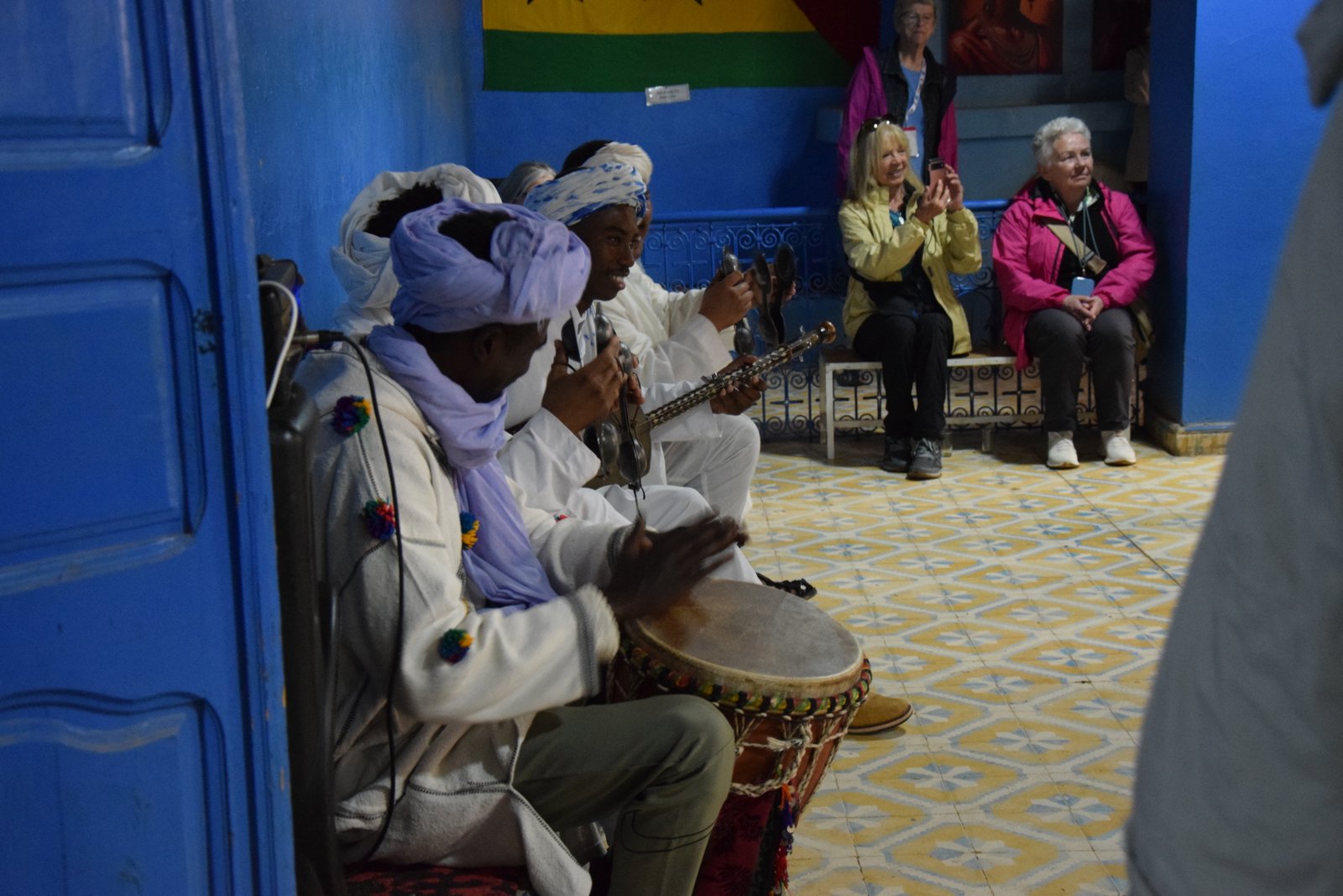
Morocco is a welcoming country with rich traditions and a unique cultural heritage, and understanding local customs can make your trip more enjoyable and respectful. When visiting Morocco, it’s recommended to dress modestly, especially in rural areas and religious sites, to respect local culture. Greeting people politely with a smile and saying simple words like “Salam” is always appreciated by locals. During your travels, you may be invited to drink traditional Moroccan mint tea, which is considered a symbol of hospitality and friendship. It’s also important to ask permission before taking photos of people, particularly in markets and villages. Respecting local traditions, bargaining politely in souks, and learning a few Moroccan expressions will help you connect with the culture and create a more authentic travel experience in Morocco.
8. What to Pack ?
Packing for Morocco depends on the season and the regions you plan to visit, but comfortable and modest clothing is always recommended. Lightweight clothes are ideal for warm days, while a jacket or sweater is important for cooler evenings, especially in the Sahara Desert and Atlas Mountains where temperatures can drop at night. Comfortable walking shoes are essential for exploring Morocco’s medinas, markets, and historic sites with uneven streets. Travelers should also pack sunscreen, sunglasses, a hat, and a reusable water bottle to stay comfortable during sightseeing and desert tours. For visiting religious sites and rural areas, modest clothing that covers shoulders and knees is appreciated and respectful of local culture. Don’t forget essentials such as a power adapter, basic medications, a small backpack for day trips, and a camera to capture Morocco’s beautiful landscapes, colorful souks, and unforgettable travel experiences.
9. Money in Morocco: Cash or Card?
Morocco is still largely a cash-based country. When traveling in Morocco, it’s best to carry both cash and a bank card to make your trip easier and more convenient. In major cities like Marrakech, Casablanca, and Fes, most hotels, restaurants, and modern shops accept credit and debit cards. However, cash is still essential in traditional souks, local markets, small cafés, taxis, and rural areas where card payments may not be available. The official currency is the Moroccan Dirham (MAD), and ATMs are widely available across the country for easy withdrawals. Travelers are advised to keep small bills for tips, street shopping, and local transportation. Using a mix of cash and card will help you enjoy a smooth travel experience while exploring Morocco’s vibrant cities, desert tours, and cultural attractions.
10. Shopping in Morocco: Yes, You Should Bargain
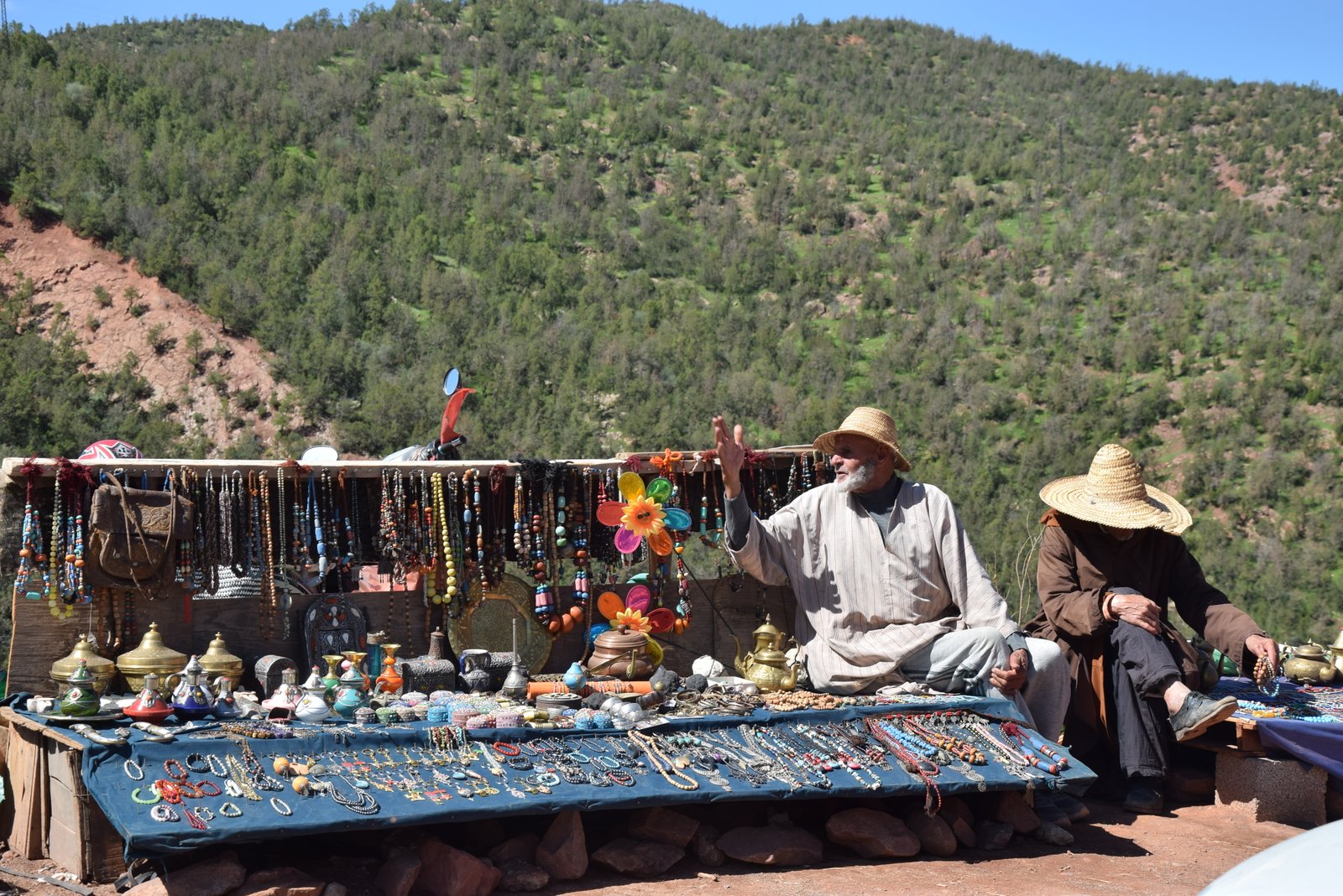
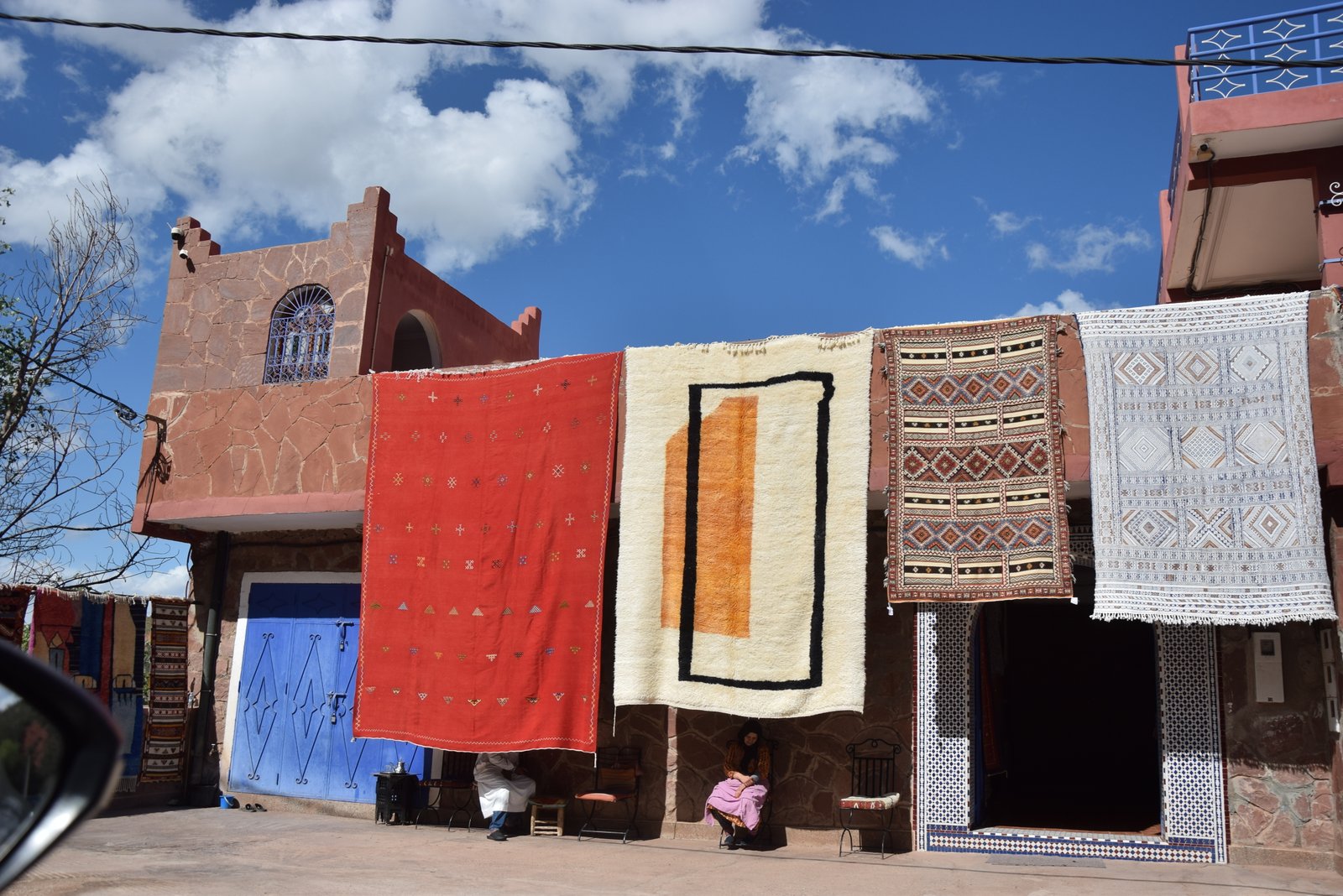
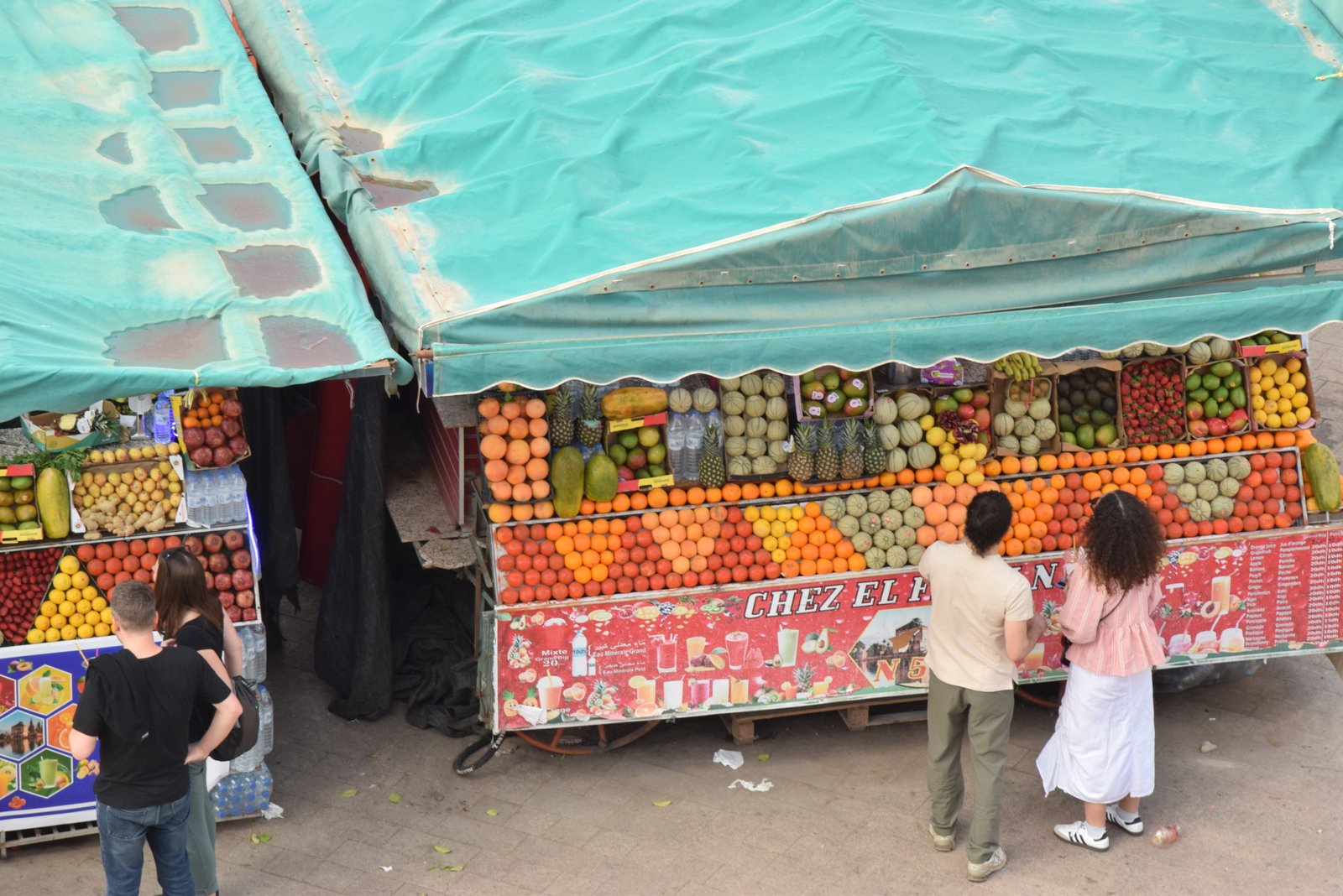
In Moroccan markets (souks), negotiation is part of the experience. Shopping in Morocco is an unforgettable experience filled with colorful souks, handmade crafts, spices, carpets, leather goods, and traditional souvenirs. One important thing every traveler should know is that bargaining is a normal part of Moroccan shopping culture, especially in local markets and medinas. Vendors often expect friendly negotiation, and bargaining respectfully can make the experience both fun and rewarding. Start by offering a lower price while remaining polite and relaxed, and don’t hesitate to compare prices between shops. In cities like Marrakech, Fes, and Chefchaouen, bargaining is common for rugs, lanterns, jewelry, and artisan products. Exploring Morocco’s traditional markets is not only about shopping but also about discovering local culture, meeting artisans, and enjoying the vibrant atmosphere of Morocco’s famous souks.
11. Is Moroccan Food Safe?
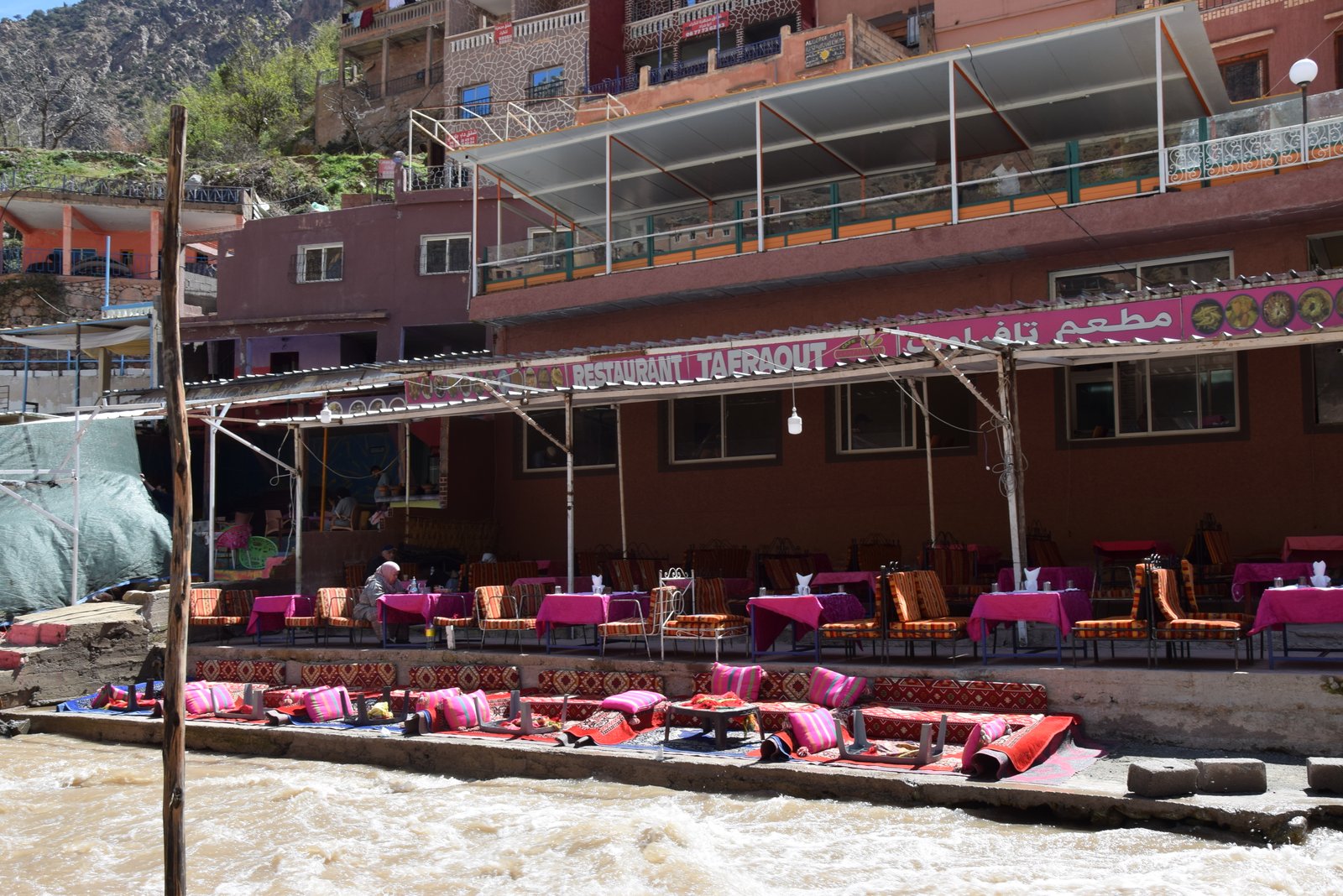
Moroccan food is generally safe, delicious, and one of the highlights of traveling in Morocco. From flavorful tagines and fresh couscous to street food and traditional mint tea, Moroccan cuisine offers a rich culinary experience for visitors. As with traveling to any new destination, it’s important to take simple precautions to avoid stomach discomfort. Choose busy restaurants and food stalls with good hygiene and fresh ingredients, and drink bottled or filtered water when possible. Freshly cooked meals are usually the safest option, especially in local markets and street food areas. Travelers with sensitive stomachs should introduce spicy foods gradually and carry basic medication just in case. Overall, enjoying authentic Moroccan food is a must during your trip, and with a few common-sense precautions, most visitors experience no problems while discovering Morocco’s incredible flavors and culinary traditions.
12. Getting Lost in the Medina (It Will Happen )
Getting lost in Morocco’s ancient medinas is almost guaranteed — and honestly, it’s part of the adventure. The old towns of Marrakech and Fes are famous for their narrow alleys, hidden courtyards, busy souks, and maze-like streets that can easily confuse first-time visitors. While Google Maps can sometimes help, it is not always accurate inside the medina, especially in smaller streets where GPS signals may be unreliable. Many travelers choose to hire a local guide for a smoother and more authentic experience. A knowledgeable guide can help you avoid tourist scams, save valuable time, and introduce you to hidden gems, local artisans, traditional food spots, and cultural landmarks you might otherwise miss. Exploring Morocco’s medinas with a local guide is often the best way to fully enjoy the magic and history of these fascinating cities.
13. Sahara Desert or Agafay? (Important Choice)
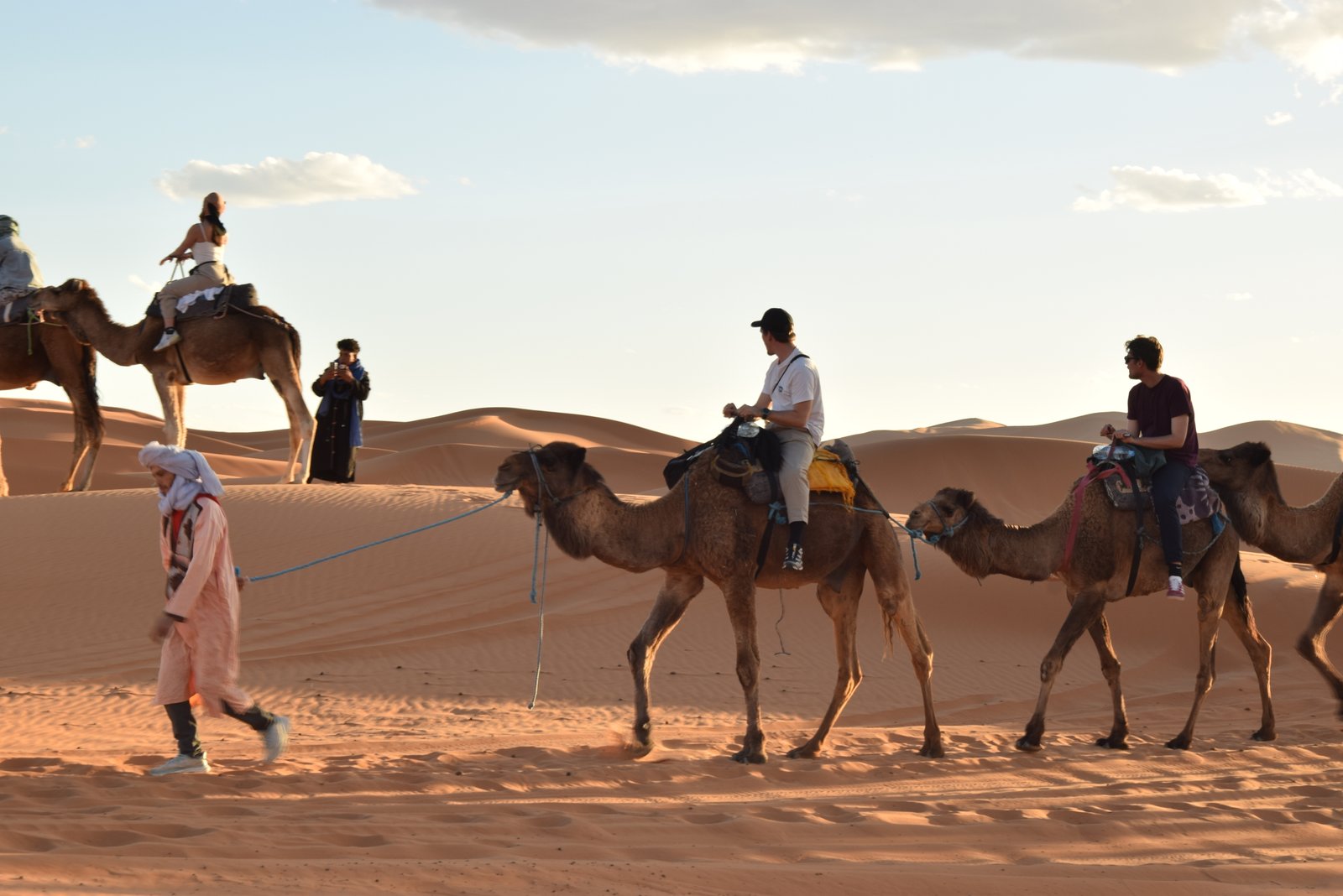
Choosing between the Sahara Desert and the Agafay Desert depends on the type of experience you want during your Morocco trip. The Sahara Desert, located near Merzouga and Zagora, offers the classic desert adventure with giant golden sand dunes, camel trekking, desert camps, breathtaking sunsets, and unforgettable nights under the stars. It’s ideal for travelers looking for a true Moroccan desert experience, although it requires a longer journey from Marrakech. On the other hand, the Agafay Desert is much closer to Marrakech and perfect for visitors with limited time. While Agafay is a rocky desert rather than a sandy one, it still offers beautiful landscapes, luxury camps, quad biking, camel rides, and stunning views of the Atlas Mountains. If you want the authentic dunes and complete Sahara atmosphere, the Sahara Desert is the best choice. If you prefer a quick desert escape near Marrakech, Agafay is a convenient and relaxing alternative.
14. Internet & SIM Cards
Travelers can choose between local SIM cards, eSIMs, and Wi-Fi in hotels, cafés, and restaurants to stay connected in Morocco. Maroc Telecom, Orange Morocco, and Inwi are Morocco’s top mobile service providers. They all offer reasonably priced prepaid plans with strong 4G coverage throughout the country’s major cities and popular tourist locations. Orange is well-liked for its fast speeds in cities like Marrakech and Casablanca, while Maroc Telecom is frequently suggested for the best coverage in rural areas and the Sahara Desert. Using their passport, travelers can purchase SIM cards at shopping malls, airports, and official establishments. Many visitors now prefer eSIMs because they can activate mobile data before arriving in Morocco without changing their physical SIM card. For Google, having dependable internet access is especially helpful. Since they can activate mobile data prior to traveling to Morocco without having to replace their physical SIM card, many tourists now favor eSIMs. Having dependable internet access is particularly helpful for using Google Maps, making travel reservations, communicating via WhatsApp, and sharing your travel experiences in Morocco.
Final Thoughts
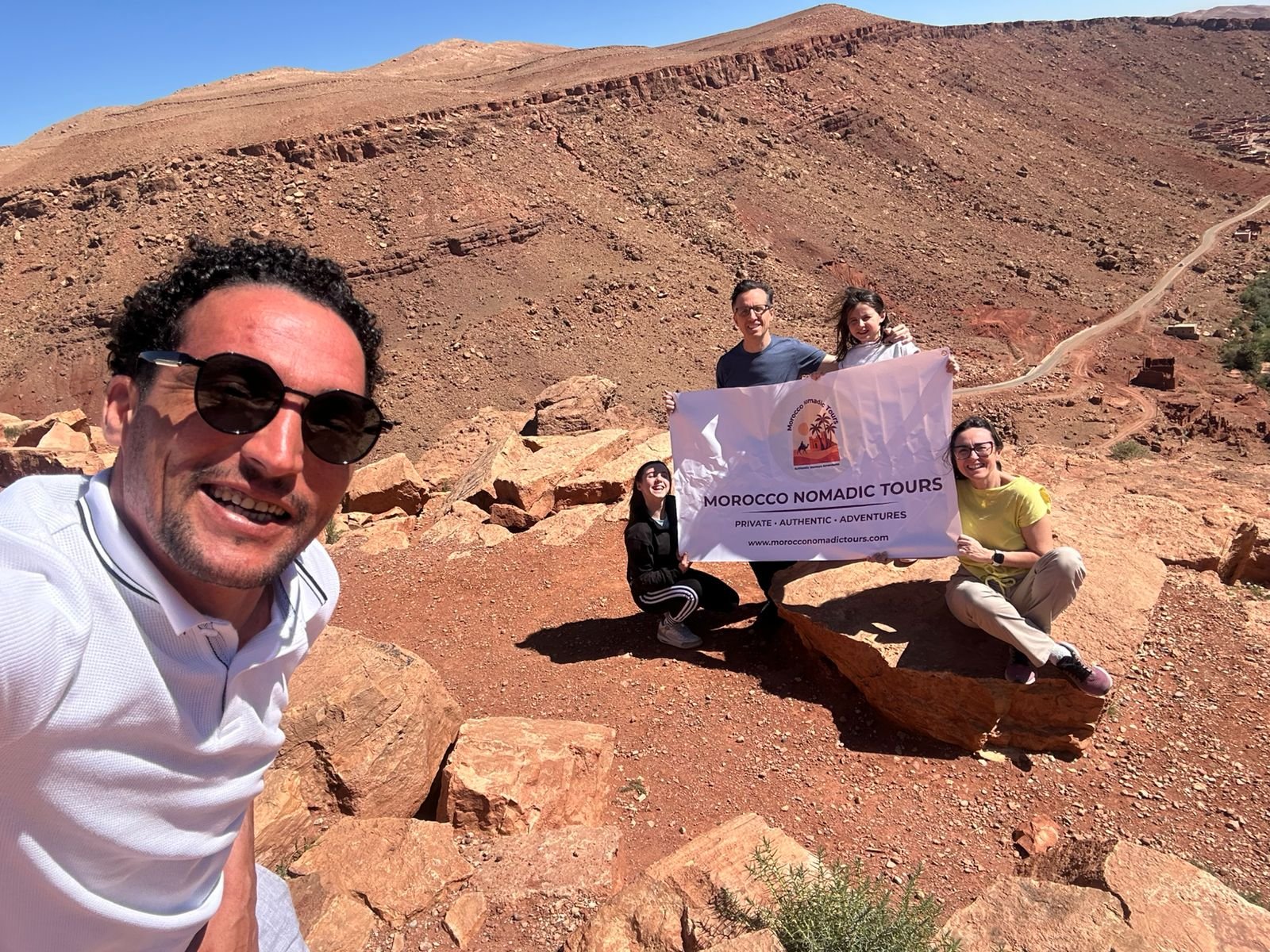
Morocco is a destination full of unforgettable experiences, vibrant culture, breathtaking landscapes, and warm hospitality. From the bustling medinas of Marrakech and Fes to the peaceful Sahara Desert and the stunning Atlas Mountains, every part of Morocco offers something unique for travelers to discover. With the right preparation, an open mind, and the guidance of experienced locals, your journey can become a truly memorable adventure. Whether you are visiting Morocco for culture, history, food, nature, or relaxation, this incredible country has a way of leaving lasting memories long after your trip ends. Take your time, embrace the experience, and let Morocco Nomadic Tours help you create the perfect Moroccan adventure.
We will make your Journey unforgettable
Customized Tours. Authentic Experiences. Local Experts